How to Set Up a Prefabrication Feedback Loop Between the Shop and the Field
Without a structured information path from field installation back to the fabrication shop, dimensional errors and design conflicts repeat across every subsequent assembly.
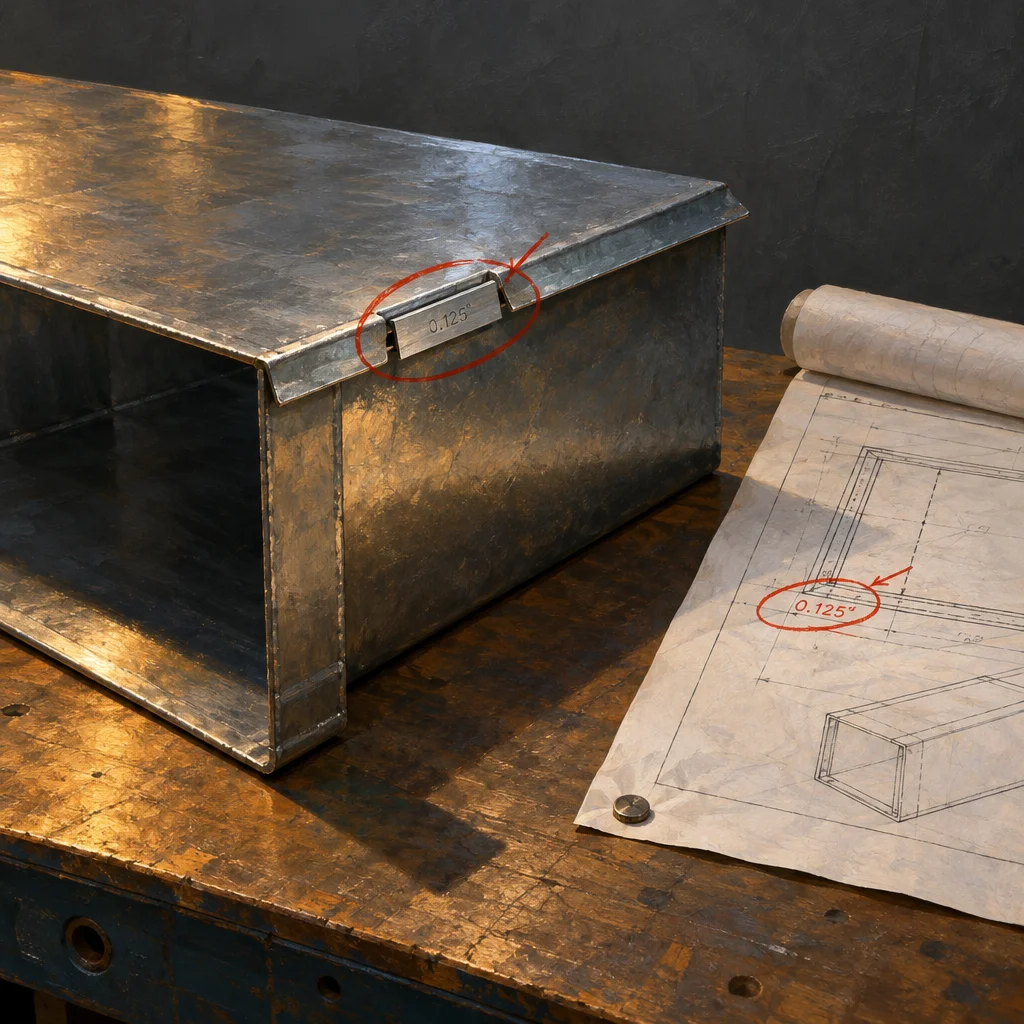
Prefabrication promises schedule compression and waste reduction, but those gains depend on a feedback loop that most teams never formally design. The shop produces assemblies based on the model and the drawings it had on a given day. The field installs those assemblies into conditions that may have shifted since the model was last updated. If no structured path exists for the field to report what it found back to the shop, the next batch of assemblies ships with the same dimensional assumptions, and the pattern repeats.
This article focuses on the operational question of how to build that path so it actually gets used under field conditions, not just in a kickoff meeting.
Why the Gap Opens in the First Place
Fabrication and field installation are typically managed as separate production environments with separate schedules, separate supervision chains, and sometimes separate software stacks. The shop works ahead of the field by design. That lead time is the whole point. But lead time also means the shop is committing steel, pipe, duct, or framing to cut lists and weld sequences before the field has confirmed what it will encounter.
Conditions that diverge from the model include existing structure that was not captured accurately, trade sequencing that shifted how an opening was blocked, poured concrete with anchor bolt placement outside tolerance, and mechanical equipment that arrived as a different submittal revision than the model reflects. None of these are failures of planning. They are normal features of complex construction. The failure is not having a channel for that information to travel upstream quickly.
What Information Needs to Travel Back
Before choosing any tool or process, define the minimum viable feedback data set. Shops generally need three categories of information from the field:
Dimensional deviations. When an installed assembly does not fit as predicted, the field needs to capture the actual condition: what the model said, what the tape or laser measured, and which direction the discrepancy runs. A sketch, a photo with reference dimensions annotated, or a field measurement form all work. The method matters less than the discipline.
Installation sequence conflicts. Sometimes an assembly fits dimensionally but cannot be installed in the order the shop assumed. If the shop is packaging assemblies in an installation sequence and that sequence is wrong, later packages will also be wrong. The field crew often knows this within the first day of installation and has no formal place to record it.
Submittal or model revision mismatches. Equipment pads, sleeves, and connection points are designed to a submittal revision. If the delivered equipment carries a different revision, the field needs a way to flag that discrepancy so the shop can pull the correct revision before cutting the next assembly.
Building the Feedback Path
The most common failure mode is adding a feedback requirement without adding the time or the tool to execute it. Field crews are not ignoring the problem; they are solving today's problem with what they have. A feedback path has to cost them less than the workaround they are already using.
Several structural decisions shape whether a feedback path survives contact with field conditions.
Assign a named receiver at the shop. Feedback addressed to a role, a mailbox, or a generic channel often sits until it is stale. When a foreman knows that one specific person at the shop will act on what they send, and that person's name appears in a contact list the foreman actually has, the loop closes faster. This is an organizational decision, not a technology decision.
Agree on a turnaround commitment. If feedback goes in and nothing visibly changes, people stop sending it. The shop side of the loop needs a stated response window. Even a short acknowledgment that the information was received and is being reviewed is enough to sustain the behavior. A longer response that explains what will change in the next release is better.
Use the field's existing tools wherever possible. If crews are already taking photos and logging issues in a field management application, adding a prefab-specific tag or category inside that application is far more sustainable than introducing a separate form or a second login. The goal is to route information to the shop through a channel the field already trusts, not to build a parallel system.
Tie field feedback to model updates with a visible log. When a field observation results in a model revision, the field crew that submitted the observation should be able to see that a revision happened. This closes the social loop that sustains reporting behavior over time. In practice this can be as simple as a shared log, a status field in the field management application, or a weekly summary from the BIM coordinator. It does not require a sophisticated integration.
Integration with the Broader Technology Stack
For teams that have already invested in a BIM authoring environment, a field collaboration platform, and fabrication detailing software, the feedback loop surfaces an integration question: where does field observation data land, and who is responsible for pulling it into the next model release?
A suggested starting point is to designate a single system of record for field observations regardless of which tool captured them. That system of record should have a defined export or notification path to the BIM coordinator on a cadence that matches the shop's release schedule. If the shop releases cut lists weekly, field observations need to be reviewed and incorporated before each release, not after.
Teams that have not yet integrated these systems should not delay building the feedback loop while waiting for an integration project to complete. A manual process with clear ownership outperforms an automated process with no designated receiver.
Measuring Whether the Loop Is Working
Three simple measures can tell a project team whether the feedback loop is functioning without requiring a formal analytics program.
First, count the repeat rate: how many dimensional discrepancies or sequence conflicts appear in a second or third assembly batch after being reported from the first? A working feedback loop should reduce this number over the life of the project.
Second, track the time between a field observation and a confirmed model or cut list revision. This measures the loop's speed, not just its existence.
Third, ask field foremen whether they submitted feedback in the last two weeks and whether they received any response. If submission rates are low, the path has too much friction. If response rates are low, the shop side is not sustaining the loop.
Prefabrication efficiency compounds when the shop learns from each phase of field installation. That learning does not happen automatically. It requires a designed path, named ownership, and a visible response that gives field crews a reason to keep reporting what they find.