How to Define Weather Event Data Requirements Before a Delay Claim Needs Field Conditions as Evidence
Without written weather event data requirements, field-recorded conditions and third-party meteorological records diverge in ways that undermine delay claims before arbitration begins.
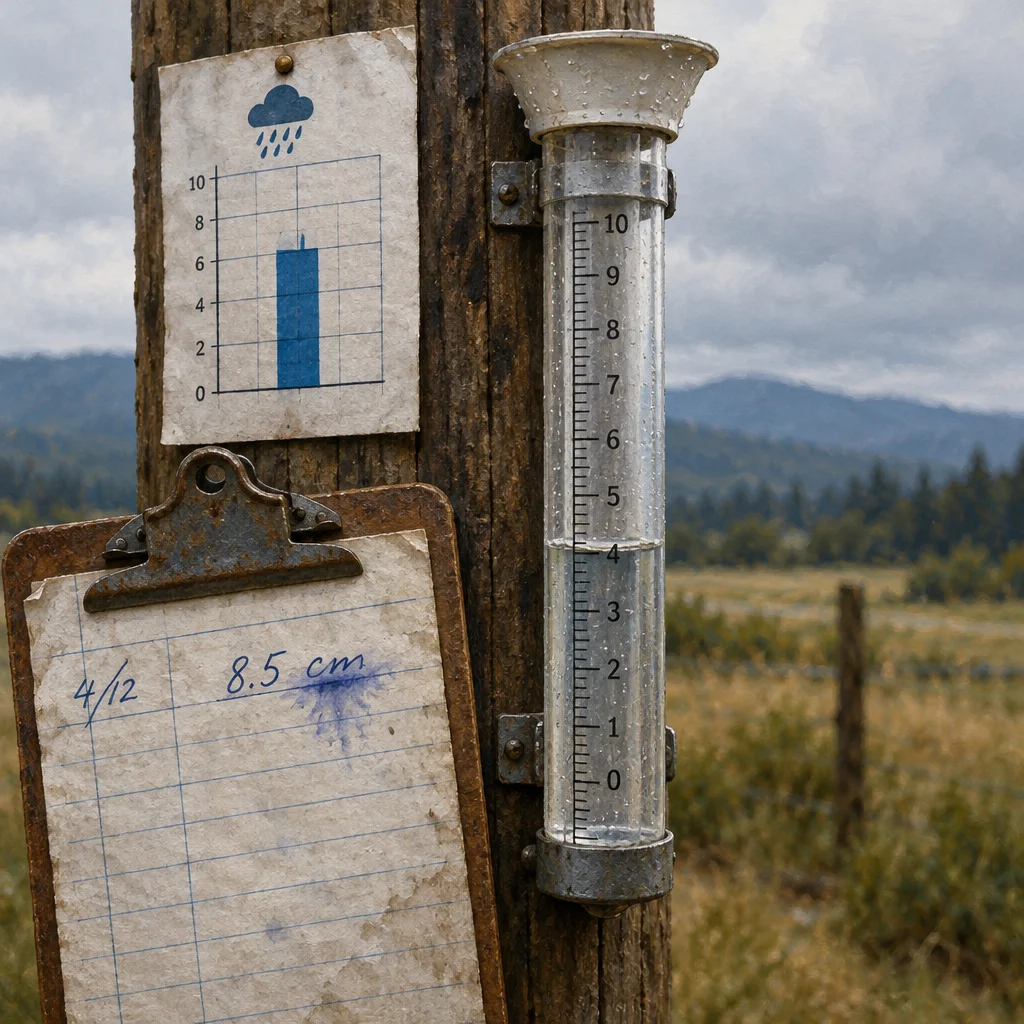
Weather delays are among the most frequently contested events in construction contract disputes, yet the data infrastructure supporting those claims is almost always assembled after the fact. By the time a delay claim reaches formal review, project teams are pulling together superintendent logs, app-generated weather snapshots, and purchased meteorological records that were never designed to speak to one another. The gaps between those sources are where claims lose credibility.
Written weather event data requirements, defined before a project begins field operations, close those gaps by specifying what gets recorded, who records it, at what frequency, in what format, and from which source. This article explains what those requirements should cover and how to connect them to the project controls and documentation systems that will eventually carry the evidentiary load.
Why Source Conflicts Destroy Otherwise Valid Claims
Field teams typically capture weather observations through a daily report field in a mobile app. The entry might read "heavy rain, work stopped 10:00 AM." A purchased meteorological dataset for the same location and date might show 0.3 inches of precipitation and no recorded wind event. A third-party weather station six miles away might show a wind gust above threshold. None of these records is necessarily wrong, but without a predefined hierarchy of sources and a shared definition of what constitutes a qualifying weather event, each party in a dispute selects the record that supports its position.
Writing weather event data requirements before fieldwork starts does not guarantee a claim will succeed, but it creates a consistent, contemporaneous record that is far harder to challenge than a patchwork assembled under deadline pressure.
What the Requirements Should Define
A useful weather event data standard addresses at least five elements.
Primary and backup data sources. Identify which weather data source is authoritative for the project. Options typically include on-site weather stations, the nearest National Weather Service Automated Surface Observing System station, a commercial weather intelligence service contracted for the project, or a combination. Name the source, record its station ID or service contract reference, and specify which source governs if primary data is unavailable. A hypothetical example: a project in a coastal corridor might name an on-site anemometer as primary for wind and a contracted weather service as primary for precipitation, with the nearest government station as backup for both.
Qualifying thresholds by work type. Different scopes have different weather sensitivities. Concrete placement may halt above certain wind speeds or below certain temperatures. Crane operations carry their own thresholds. Roofing and waterproofing are governed by temperature and moisture. Write the threshold values by work type into the requirements document so that a qualifying event is defined before anyone needs to argue whether conditions met the standard.
Recording frequency and timing. Specify how often weather observations must be captured during active work periods and whether a single daily entry is sufficient or whether shift-start, midday, and shift-end readings are required. For projects with temperature-sensitive pours or phased work windows, hourly recording may be appropriate. Define who is responsible for entries and what platform receives them.
Required fields in the daily report. Most field apps allow daily report templates to be customized. Require that weather entries include temperature (high, low, and at observation time), precipitation type and estimated duration, wind speed and direction if applicable, and a field assessment of whether any work scope was impacted. A free-text observation field is useful but not sufficient on its own. Structured fields allow the data to be queried and aggregated across the project timeline.
Reconciliation between field records and meteorological data. Specify how often field-recorded observations should be compared against the authoritative data source. Monthly reconciliation on a long project can surface systematic discrepancies before they accumulate into an unmanageable gap. Assign responsibility for the reconciliation to a named role, not a named individual, so the task survives personnel changes.
Connecting Weather Data to Project Controls
Weather event records only carry evidentiary weight when they are linked to the activities they affected. A standalone weather log that exists in a separate app or spreadsheet is weaker than weather observations tied directly to the schedule activity IDs that were impacted.
When configuring your project controls platform, consider whether daily report weather fields can be linked to schedule activity codes so that each recorded weather event carries a reference to the work scope affected. Some platforms support this natively; others require a mapping step during configuration. Either way, the requirement to make that connection should appear in the weather data standard, not in a change order negotiated mid-project.
Similarly, if your project uses a field collaboration platform separately from your scheduling tool, define in writing how weather events flow between the two. A daily report entry in a mobile field app that never reaches the scheduling system creates a documentation island. The delay may be real; the record may be contemporaneous; but if it cannot be traced to a specific activity and a specific date in the schedule, its value in a claim is reduced.
Storage, Retention, and Access
Weather event records should be classified under your project's data retention policy in the same tier as other potential claims evidence. If your retention policy requires daily reports to be archived for a defined period after project closeout, weather observation records should carry the same requirement explicitly, because they may not obviously appear to a records manager as claims-relevant documentation.
Consider whether meteorological data purchased from a commercial provider is downloaded and stored in a controlled project location or whether it exists only in a vendor portal. Vendor portals change access terms, get discontinued, and may not be accessible years after a project closes. Downloading and archiving authoritative weather records at the time of purchase, or on a scheduled basis, protects the evidentiary chain.
A Practical Starting Point
If your organization has no weather event data standard today, a reasonable starting point is a short requirements document that answers five questions: What source governs? What thresholds qualify? Who records and how often? Where does the record live? How long is it retained? Review that document with project controls, field operations, and legal or claims counsel before it becomes a project exhibit. The review itself often surfaces assumptions that no one knew were inconsistent.
Weather is one of the few delay causes that both owners and contractors frequently accept as legitimate when the documentation is clean. Writing the data requirements before the first weather event, rather than reconstructing them after the first dispute notice, is among the lower-effort, higher-return documentation decisions a project team can make at mobilization.