How to Choose a Telematics Platform When Your Fleet Spans Multiple Equipment Brands
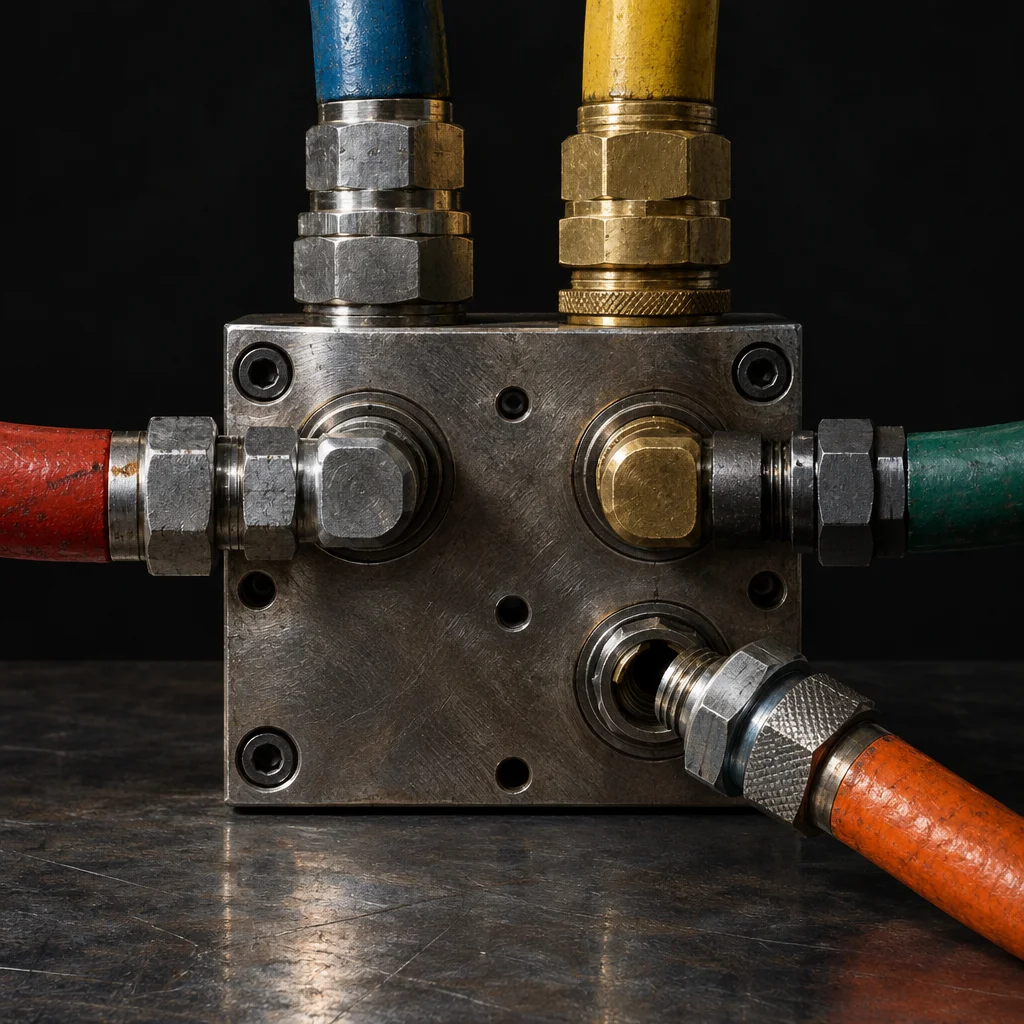
Mixed-brand fleets create integration fragmentation that makes choosing a telematics platform more complex than any single-vendor demo will reveal.
The Problem With a Single-Vendor Demo
Most telematics vendors will show you a clean dashboard with fuel consumption, idle time, location history, and fault codes all in one place. That demo almost always runs on a curated set of machines from brands the vendor knows well. What it rarely shows is how the platform behaves when your fleet includes a mix of excavators, motor graders, rough-terrain forklifts, and light towers from four or five different manufacturers, some of them older than the telematics standard you are about to bet on.
For general contractors and specialty contractors with mixed fleets, that gap between the demo and the deployment is where integration problems, data quality issues, and support gaps tend to surface. This article walks through the practical questions and tradeoffs worth examining before you commit to a telematics platform.
Understand the Data Path Before You Evaluate Features
Telematics data does not flow uniformly across equipment brands. Some machines broadcast data natively through the telematics provider's own hardware. Others rely on aftermarket hardware dongles installed in the cab or on the frame. A third group communicates through the ISO 15143-3 standard, sometimes called AEMP 2.0, which a number of major OEMs have adopted as a way to share machine data through an API rather than through proprietary hardware.
Before you evaluate any platform's dashboard features, map out how each equipment category in your fleet will actually get its data to the platform. Ask each vendor to show you which machines use native integration, which require aftermarket hardware installation, and which connect via API pull from an OEM telematics portal. That map will expose your real integration surface area and give you a clearer picture of installation cost, ongoing maintenance obligations, and where data quality is likely to degrade.
Aftermarket Hardware Adds Operational Variables
When a machine is not natively supported by a telematics platform, the typical solution is a third-party hardware device installed on the equipment. This can work well, but it introduces variables that native integrations do not carry.
Consider a few practical questions worth asking. Who installs the device, and what happens to the warranty on the underlying machine? If the device fails in the field, what is the replacement and reconfiguration process, and who bears that cost? Does the device capture the same depth of diagnostic fault code data as a native integration, or does it capture only basic location and engine-hour signals? On older machines without a CAN bus, what data is even available to capture?
These are not reasons to reject a platform that relies on aftermarket hardware for part of your fleet. They are reasons to price and plan the full lifecycle of that hardware, not just the software subscription.
Evaluate OEM API Coverage for Your Specific Brands
Several major equipment OEMs now offer telematics data through their own portals, and some telematics platform vendors pull from those portals via API. This sounds like a clean solution, but the coverage and depth of what each OEM exposes through its API varies significantly by brand and even by machine model year.
A useful evaluation step is to bring your actual equipment list, by brand, model, and year, to each telematics vendor and ask them to map their API coverage against it. A good vendor will tell you honestly which machines will produce rich data, which will produce limited data, and which may require a hardware supplement. A vendor who claims full coverage across every brand without reviewing your specific list is worth pressing harder.
Also ask how frequently the platform pulls data from OEM APIs, because pull frequency affects how close to real-time your utilization data actually is. A platform pulling data once every 24 hours serves a very different operational need than one pulling every 15 minutes.
Think Through the Integration Downstream, Not Just the Dashboard
A telematics platform is not a standalone tool for most construction organizations. The utilization data, idle hours, fuel consumption, and maintenance alerts it generates are most valuable when they flow into other systems: ERP for cost coding and equipment allocation, project controls for tracking equipment productivity against schedule, and maintenance management systems for triggering service workflows.
Before selecting a platform, identify which downstream systems you expect telematics data to feed. Then ask each vendor specifically how that data transfer works. Does the platform have a direct integration to your ERP, or will data need to move through a middleware layer or manual export? Are maintenance alerts pushed to your maintenance management system automatically, or does someone need to log in and act on them? What is the format and frequency of any data exports available?
A telematics platform that produces good data but requires significant manual handling to move that data into your operational systems will likely underdeliver on the productivity and cost benefits your organization is hoping to capture.
Assess Support Structure for Mixed-Fleet Problems
When something goes wrong in a mixed-fleet deployment, the support path matters more than it does in a homogeneous fleet. If a particular excavator model stops reporting data, is that a hardware issue, an OEM API issue, or a platform configuration issue? The answer may require coordination across multiple parties, and knowing in advance how your telematics vendor handles that kind of cross-functional troubleshooting will save significant time later.
A reasonable question to ask vendors during evaluation is to walk you through a hypothetical scenario where a machine stops reporting. Who is the first call? What is the escalation path if the issue turns out to be on the OEM side? Has the vendor dealt with this specific brand before, and what is their typical resolution timeline?
A Practical Shortlist Framework
When you are ready to narrow your options, a straightforward evaluation structure can help keep the comparison honest. For each vendor on your shortlist, document: which of your machines will have native or API integration versus aftermarket hardware, what data fields are available for each integration type, how telematics data moves into your core operational systems, what the hardware installation and replacement process looks like for devices on unsupported machines, and how the vendor handles cross-brand support issues.
Running that comparison across two or three vendors, using your actual fleet list rather than a generic scenario, will surface tradeoffs that no demo will show you on its own. The platform that performs best on a curated demo and the platform that fits your mixed-fleet operational reality are not always the same one.
The Takeaway
Telematics platforms are not commodities for mixed-brand fleets. The integration method, data depth, downstream connectivity, hardware logistics, and support structure all vary enough across vendors that a feature-level comparison will not give you the information you need to make a sound decision. Mapping your actual fleet against each vendor's real coverage model is the step that separates a deployment that delivers measurable operational value from one that creates a new set of data management problems to manage alongside your existing ones.